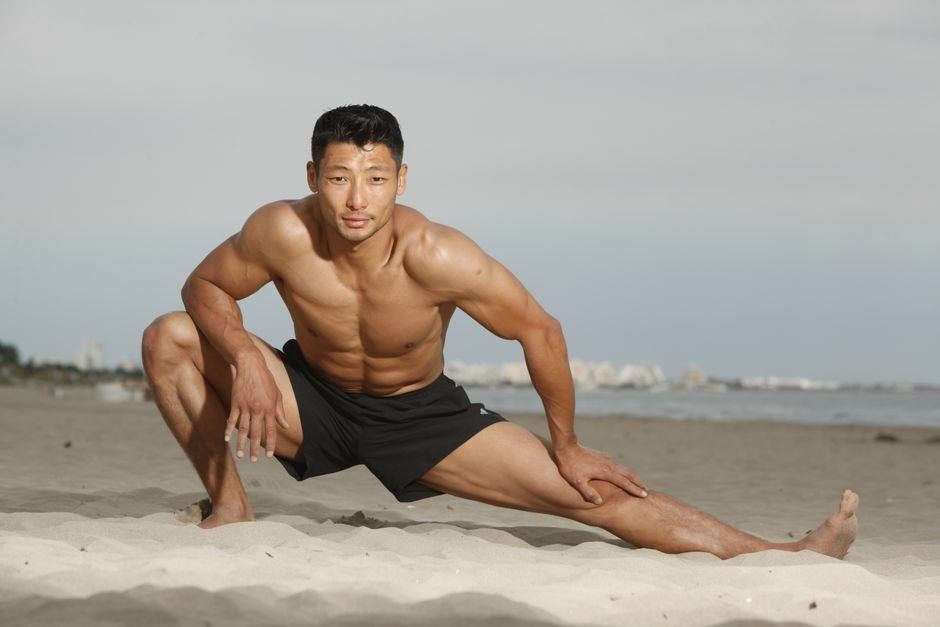
Body for Life Overview
The Body for Life Exercises PDF delivers a 12‑week, 3‑day‑per‑week program blending strength and cardio, with clear exercise diagrams, meal plans, and progress charts․ It guides beginners to advanced athletes, emphasizing form, consistency, and gradual overload for lasting results․ Enjoy it now․
Program Purpose and Philosophy
The Body for Life Exercises PDF is a comprehensive 12‑week blueprint that fuses resistance training, high‑intensity cardio, and nutritional guidance into a single, user‑friendly package․ Its core purpose is to transform beginners into confident, well‑rounded athletes by providing step‑by‑step exercise instructions, printable workout logs, and a balanced macronutrient framework․ The philosophy centers on progressive overload, proper form, and consistency, while respecting the body’s need for rest and recovery․ By integrating a structured warm‑up, targeted strength circuits, and cool‑down stretches, the program promotes joint health and muscular endurance․ Nutrition is treated as a pillar, with meal plans that emphasize lean proteins, complex carbs, and healthy fats, encouraging mindful eating habits․ Progress is tracked through weekly benchmarks, allowing users to adjust intensity or volume based on real data․ The PDF’s design is minimalist yet informative, featuring clear diagrams, safety tips, and motivational cues, making it accessible to all fitness levels․ Ultimately, the goal is sustainable lifestyle change, empowering individuals to maintain peak performance long after the 12‑week cycle ends․ By combining structured strength sessions with cardiovascular intervals, the PDF encourages a balanced approach that reduces injury risk while maximizing caloric burn and muscle hypertrophy, ensuring users see physical gains and feel confident in their routines and experience confidence!․

Target Audience
Designed for adults aged 18 to 55 who are looking to jumpstart or elevate their fitness journey, the Body for Life Exercises PDF caters to a wide spectrum of experience levels—from novices who have never lifted a dumbbell to seasoned athletes seeking a structured, science‑backed routine․ It is ideal for anyone who wants a printable guide that blends resistance training, cardio intervals, and nutrition in one cohesive plan․ The program welcomes people with limited time, offering three 45‑minute sessions per week that fit into busy schedules while still delivering measurable results․ Those with a history of joint pain or previous injuries safely follow the PDF’s progressive overload, emphasizing proper form, gradual increases in load, and built‑in recovery days․ The layout is straightforward, with easy‑to‑read diagrams, concise exercise descriptions, and a printable workout log that tracks sets, reps, and weight․ Nutrition sections provide meal templates customizable to dietary preferences, including vegetarian, vegan, or low‑carb options, ensuring the plan stays inclusive․ Users who prefer a digital format can download the PDF and print specific pages as needed, while the downloadable version also supports mobile viewing․ By offering a comprehensive framework, the Body for Life Exercises PDF empowers individuals to build strength, improve cardiovascular fitness, and develop healthy habits—all while staying motivated with weekly progress checkpoints and embedded tips․
Dietary Guidelines

The Body for Life PDF recommends a macro split: 40% carbs, 30% protein, 30% fats․ Focus on whole foods,and lean proteins, complex carbs, healthy fats,and ample hydration․ Meal timing aligns with workouts, ensuring pre‑and post‑exercise nutrition for optimal recovery!!!
Body for Life’s nutrition plan is built around a macro split that fuels, supports recovery, and promotes lean gain while curbing fat․ The PDF recommends a 40‑percent carbohydrate, 30‑percent protein, and 30‑percent fat ratio for a 2,200‑calorie budget for male and female․ Carbohydrates should come from sources such as oats, brown rice, quinoa, sweet potatoes, and breads, providing glycogen stores for workouts․ Protein intake is set at 1․0–1․2 grams per pound of body weight, emphasizing lean meats and plant‑based proteins to repair muscle fibers and stimulate anabolic signaling․ Healthy fats are sourced from nuts, seeds, avocados, olive oil, and fatty fish․ The PDF also stresses density, encouraging a plate of vegetables and fruits to meet vitamin and mineral needs․ Timing is key: a pre‑workout meal rich in carbs and protein 2–3 hours before training, followed by a post‑workout shake with whey protein to replenish glycogen and jump‑start recovery․ Throughout the week, the plan incorporates a “refeed” day with higher carb intake to reset glycogen and boost flexibility․ Adherence is tracked via a spreadsheet, allowing users to adjust portions based on weight․ By following this macro framework, participants can achieve a lean physique while maintaining energy for daily activities․ The PDF also includes a weekly meal planner, a shopping list, and printable progress charts, enabling users to stay organized and motivated throughout the 12‑week program․ It encourages accountability and community support․ daily․ Go
Meal Timing and Frequency
Body for Life’s meal timing strategy is designed to synchronize nutrient delivery with training demands, ensuring optimal glycogen replenishment, protein synthesis, and hormonal balance․ The PDF recommends a 5‑to‑6‑meal schedule, spaced roughly 3–4 hours apart, to maintain steady blood glucose and prevent catabolism․ A pre‑workout meal, consumed 2–3 hours before training, should contain 30–40 grams of complex carbohydrates (oats, sweet potato, brown rice) and 20–25 grams of lean protein (chicken, turkey, tofu) to prime glycogen stores․ Immediately after the workout, a protein‑rich shake (20–25 grams whey or plant‑based protein) paired with 40–50 grams of simple carbs (fruit, honey, or a recovery drink) triggers insulin release and accelerates muscle repair․ Subsequent meals should balance macros, focusing on 30–35% protein, 40–45% carbs, and 20–25% fats, with a heavy emphasis on vegetables and whole‑grain sources․ The PDF also introduces a “refeed” day on the weekend, where carbohydrate intake is increased by 20–30% to boost glycogen stores and reset metabolic flexibility․ Meal timing is recorded in a dedicated log, allowing users to adjust portions based on weight changes and training intensity․ By adhering to this structured schedule, participants can sustain energy levels, reduce muscle breakdown, and promote lean mass gains while minimizing fat accumulation․ See PDF․Go This concise guide empowers you to master timing, fueling workouts and recovery for lasting results Stay fit!
Workout Program Structure
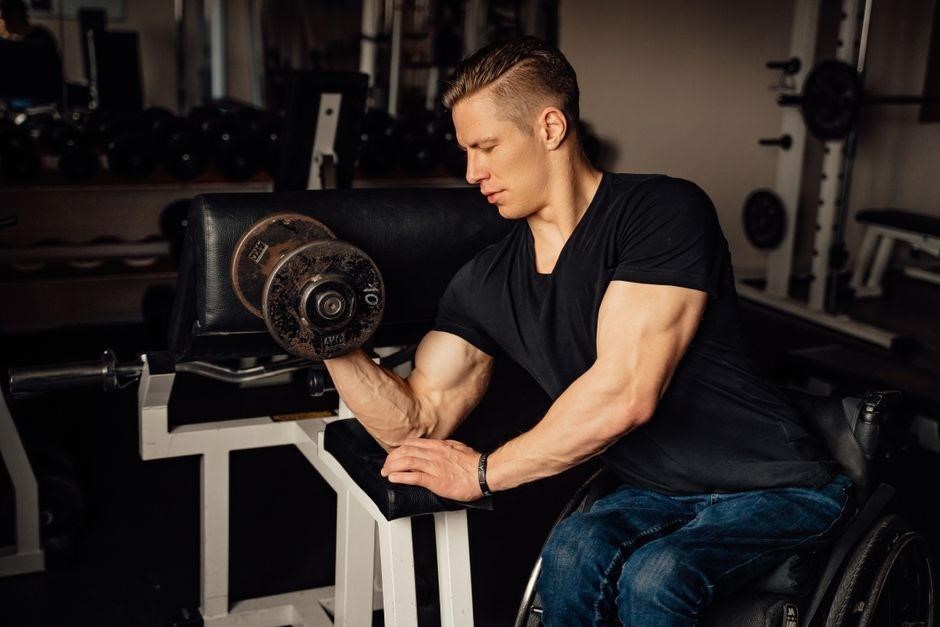
Body for Life’s workout structure features a 12‑week cycle with 3 training days per week, alternating upper‑lower splits․ Each session lasts 45‑60 minutes, combining compound lifts, supersets, and cardio bursts․ Progress is tracked with a PDF log․ and a progressive overload plan for muscle growth․
Training Frequency
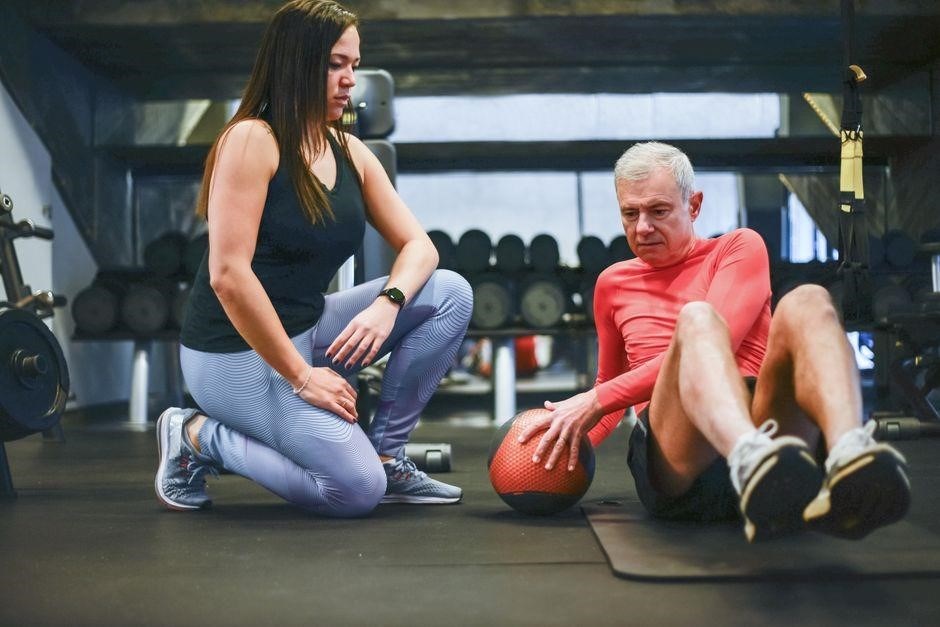
Body for Life’s training frequency is deliberately paced to balance intensity, recovery, and progression over a 12‑week cycle․ The program calls for three dedicated workout days each week—typically Monday, Wednesday, and Friday—allowing two full rest days between sessions for muscle repair and hormonal adaptation․ Each session is structured around a full‑body or upper‑lower split that alternates weekly, ensuring that every major muscle group receives sufficient stimulus while preventing overtraining․ The three‑day format also accommodates individuals with busy schedules, making it easier to adhere to the plan without sacrificing quality or consistency․ Rest days are not merely passive; they are an integral part of the program’s design, providing time for glycogen replenishment, neural recovery, and the consolidation of strength gains․ The PDF includes a detailed calendar that highlights active recovery activities such as light cardio, mobility work, or yoga on rest days, reinforcing the importance of movement without compromising the training load․ As the weeks progress, the program introduces incremental increases in volume or intensity—either by adding sets, increasing weight, or shortening rest intervals—while maintaining the same three‑day cadence․ This progressive overload strategy is central to the Body for Life philosophy, ensuring that athletes experience continual adaptation and avoid plateaus․ The structured frequency also aligns with research on optimal training frequency for hypertrophy and strength, which suggests that training each muscle group twice a week yields superior results compared to once a week․ By scheduling workouts on non‑consecutive days, the program maximizes muscle protein synthesis while minimizing the risk of injury or burnout․ The PDF’s frequency guidelines are flexible enough to accommodate variations such as a four‑day split or a push/pull/legs routine, but the core recommendation remains three sessions per week for optimal balance between stimulus, recovery, and lifestyle integration․ Participants are encouraged to track their perceived exertion and adjust the load accordingly․ The program’s frequency is also designed to fit seamlessly into a typical workweek, reducing the likelihood of missed sessions due to travel or social commitments․ Additionally, the PDF outlines how to modify the schedule for those who prefer a higher frequency, such as adding a light cardio session on Tuesdays or Saturdays, while still preserving the core three‑day strength focus․ The emphasis on consistent weekly frequency is supported by evidence that regular, spaced training sessions promote better adherence and long‑term lifestyle change․ The Body for Life PDF provides a visual timetable that maps out each week’s workouts, rest days, and optional active recovery, making it easy for users to plan ahead and stay on track․ Finally, the program’s frequency framework is adaptable to individual goals—whether the aim is fat loss, muscle gain, or functional fitness—by simply adjusting the number of sets or the intensity of the cardio component within the same three‑day structure !!
Workout Split and Duration
Body for Life’s workout split follows a 12‑week cycle that alternates between full‑body and upper‑lower routines․ Weeks 1‑4 focus on compound lifts with moderate volume, while weeks 5‑8 introduce higher intensity and accessory work․ The final four weeks emphasize peak conditioning and maximal strength․ Each session lasts 45 to 60 minutes, allowing a warm‑up, main set, and cool‑down․ The PDF provides detailed time stamps for each segment, ensuring that users stay on schedule․ A typical 45‑minute session includes a 5‑minute dynamic warm‑up, 30 minutes of resistance work, and a 10‑minute cooldown with mobility drills․ For the 60‑minute version, an additional 10 minutes of cardio or plyometric conditioning is added․ The split is designed to hit every major muscle group twice per week, aligning with research that shows optimal hypertrophy with two sessions per muscle․ Upper‑lower days are scheduled on alternate days, giving at least 48 hours of rest between sessions targeting the same muscle groups․ The PDF also offers a push/pull/legs variation for those who prefer a three‑day split that still maintains the same overall volume․ Duration adjustments are based on individual progression; the program recommends increasing load or volume every two weeks if the user can complete all sets with proper form․ The schedule is flexible, allowing users to swap days or add light cardio on rest days without disrupting the core structure․ The PDF’s calendar view helps plan workouts around work or travel, ensuring consistency․ By the end of the 12 weeks, users should experience significant strength gains and endurance, ready to transition to a maintenance phase or a new goal cycle․
Sample Exercise List
Upper: Bench Press, Pull‑Ups, Shoulder Press; Lower: Squat, Deadlift, Lunges․ Core: Plank, Russian Twist, Hanging Leg Raise․ Cardio: Jump Rope, Rowing, Cycling․ Each exercise has 3 sets of 10‑12 reps, 60‑90 sec rest․ Add 5 lbs every 2 weeks, keep form strict, and track reps in the PDF log Keep daily․!
Upper Body Exercises
The Body for Life PDF outlines a balanced upper‑body routine that targets all major muscle groups while promoting joint stability and functional strength․ Each session incorporates compound lifts—bench press, overhead press, bent‑over row, and pull‑ups—paired with isolation work such as bicep curls, tricep pushdowns, and lateral raises․ Repetition schemes follow a 3‑set structure: 10–12 reps for hypertrophy, 8–10 for strength, and 12–15 for endurance, with 60–90 second rests․ The program emphasizes progressive overload, adding 5–10 lb increments every two weeks, and includes form cues: keep the core braced, shoulders retracted, and wrists neutral․ For beginners, the PDF recommends a lighter weight and a focus on technique before increasing load․ Advanced users can incorporate supersets and drop sets to intensify the stimulus․ Each exercise is accompanied by a brief video link and a printable schematic for quick reference․ The routine is designed to fit into a 3‑day split, allowing ample recovery between sessions․ By following the PDF’s structured approach, users can build lean muscle, improve upper‑body strength, and reduce injury risk while maintaining a sustainable training habit․ This PDF also offers downloadable charts, a weekly meal planner, and a community forum for accountability, ensuring users stay motivated and see measurable gains!!

Lower Body Exercises
The Body for Life PDF presents a structured lower‑body program that balances compound power moves with isolation work to build strength, size, and functional mobility․ Each session focuses on squats, deadlifts, lunges, leg press, calf raises, and hip thrusts, arranged in a 3‑set format: 10–12 reps for hypertrophy, 8–10 for strength, and 12–15 for endurance, with 60–90 second rests․ The routine emphasizes proper alignment—knees tracking over toes, hips back, core braced—to prevent injury and maximize muscle engagement․ Beginners start with body‑weight variations and light dumbbells, while advanced users add 10–15 lb increments every two weeks, following the progressive overload principle․ Supersets of front squats and Romanian deadlifts increase intensity, and drop sets on calf raises boost vascularity․ Each exercise includes a concise video link and a printable schematic for quick reference․ The PDF also supplies a weekly progress chart, a meal‑planning guide, and a community forum for accountability, ensuring users stay motivated and see measurable gains․ By adhering to this lower‑body framework, trainees can develop powerful quads, hamstrings, glutes, and calves while maintaining joint health and overall athletic performance․
- Back squats, 3 sets of 10 reps
- Romanian deadlifts, 3×8 repss
- Walking lunges, 3×12 repss!!!!
- Calf raises, 4×15 repss!!!!!!!
- Hip thrusts, 3 sets of 10 reps
Stay steady․
Progress Tracking and Adjustments
The Body for Life PDF offers a simple tracking sheet: record weight, body fat, and key lifts each week․ Use the built‑in charts to spot trends, and adjust volume or intensity after 4 weeks if progress stalls․ The guide also suggests re‑testing every 12 weeks for accuracy․ Track weekly best now!․
Weight and Body Composition Metrics
Body for Life’s PDF includes a dedicated section for tracking weight and body composition․ Users are encouraged to log their daily weight, body fat percentage, and lean mass using a calibrated scale and skinfold calipers or a reliable BIA device․ The program recommends measuring these metrics at the same time of day, preferably in the morning, after a 12‑hour fast, to reduce variability․ Each week, the PDF provides a table where you can enter your numbers, and a line graph automatically updates to visualize trends over the 12‑week cycle․ The guide explains that a healthy weight loss rate is 0․5–1 lb per week, while a lean mass gain of 0․25–0;5 lb per week is considered optimal for most trainees․ If body fat drops below 10 % for men or 18 % for women, the program suggests a maintenance phase with adjusted caloric intake․ The PDF also includes a “Progress Review” checklist that prompts users to assess strength gains, endurance improvements, and aesthetic changes, ensuring that weight and body composition data are interpreted in the context of overall fitness goals․ By consistently recording and reviewing these metrics, participants can make data‑driven adjustments to training load, volume, and nutrition, keeping the program aligned with their evolving physique and performance targets․ The PDF’s structured approach also offers weekly check‑ins where users can log subjective ratings of fatigue, muscle soreness, and overall mood, allowing trainers to fine‑tune program variables and keep motivation high throughout the 12‑week journey․ Users can also export their data to CSV for analysis or share progress with a coach dailyxx․!
Program Modifications Based on Results
Body for Life’s PDF offers a dynamic adjustment framework that responds to weekly progress data․ After each 4‑week block, users compare logged weight, body‑fat %, and strength gains against target thresholds․ If weight loss stalls or body‑fat drops below 10 % (men) or 18 % (women), the guide recommends shifting from a caloric deficit to a maintenance or slight surplus, adjusting macros to 30 % protein, 40 % carbs, 30 % fat․ For plateaued strength, the PDF suggests increasing training volume by adding a 5‑minute warm‑up, swapping a primary lift for a more complex variation, or incorporating a “deload” week every 12 weeks․ If soreness persists, the program advises adding active recovery sessions, stretching routines, or a foam‑rolling protocol․ The PDF also includes a “Progress Review” checklist that prompts users to assess subjective fatigue, muscle soreness, and overall mood, allowing trainers to fine‑tune program variables and keep motivation high throughout the 12‑week journey․ Users can export their data to CSV for analysis or share progress with a coach daily․ The guide’s step‑by‑step decision tree ensures that each modification is evidence‑based and tailored to individual response, preventing over‑training while maximizing gains․ By aligning training load, volume, and nutrition with real‑time results, participants maintain a trajectory toward their physique and performance goals, as the Body for Life PDF’s adaptive system keeps the program relevant and effective for every stage of the transformation cycledaily!

PDF Resources and Availability
Body for Life offers a free downloadable PDF that includes the full 12‑week workout schedule, sample meal plans, and progress tracking sheets․ The PDF is available directly from the official Body for Life website and can also be accessed through the Body for Life mobile app․ Users can download the file in both PDF and e‑Pub formats for offline use․ The resource includes high‑resolution exercise illustrations, step‑by‑step instructions, and a printable version of the weekly workout log․ For those who prefer a digital experience, the PDF can be opened in any standard viewer or imported into a note‑taking app․ The Body for Life community forum hosts a dedicated section where members share custom variations, nutrition tweaks, and motivational tips․ Additionally, the PDF is updated quarterly to reflect new research and user feedback, ensuring that the program remains current and evidence‑based․ To obtain the latest version, simply visit the Body for Life website, navigate to the “Resources” page, and click the download link․ If you encounter any issues, the support team can be reached via email or live chat for assistance․ The PDF is compatible with Windows, macOS, iOS, and Android devices, making it accessible to a wide audience․
Download the PDF today and start your transformation journey with a science backed plan that adapts to your progress․ The Body for Life community offers sessions, challenges, and app to track workouts, meals, body metrics on go․ Join now and experience the difference․