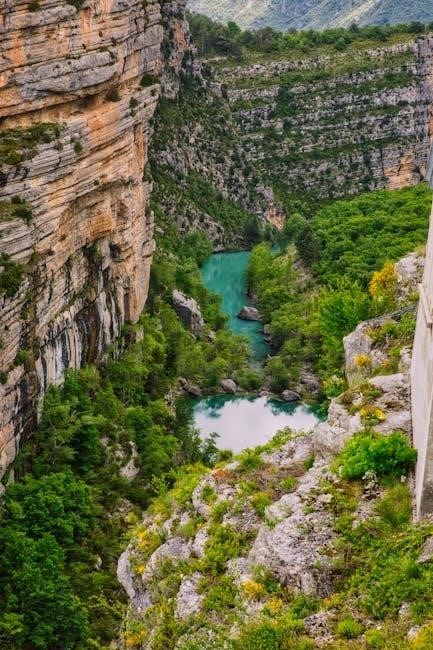
Red River Gorge Climbing Guide: A Comprehensive Overview
The Red River Gorge, a world-renowned climbing destination, is preparing for peak season, attracting climbers globally. Recent land acquisitions
by the RRGCC promise expanded trail access and conservation efforts, enhancing the climbing experience amidst stunning fall foliage.
Welcome to the Red River Gorge, Kentucky – a climber’s paradise! Internationally celebrated for its unique sandstone formations, the Gorge offers an unparalleled climbing experience for all skill levels. As peak season approaches, the area buzzes with anticipation, drawing enthusiasts from across the globe. The recent acquisition of 718 acres by the Red River Gorge Climbers Coalition (RRGCC) signifies a commitment to preserving and expanding access to this natural wonder.
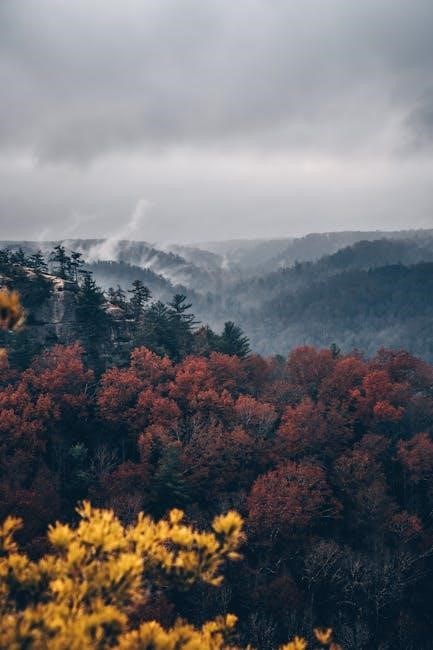
The Gorge isn’t just about challenging climbs; it’s about immersing yourself in breathtaking scenery, especially vibrant during the fall. Prepare to navigate winding roads and potentially crowded trailhead parking as you discover why the Red River Gorge consistently ranks among the top climbing destinations worldwide. This guide will equip you for an unforgettable adventure.
Geological Formation & Sandstone Characteristics
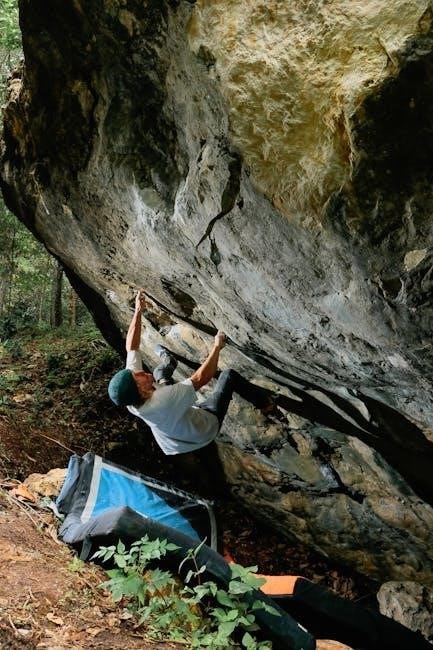
The Red River Gorge’s dramatic landscape is a product of millions of years of geological activity. Primarily, the area’s cliffs and arches are formed from Pottsville Sandstone, laid down during the Pennsylvanian period. This sandstone, remarkably resistant to erosion, has been sculpted by wind and water into the iconic formations climbers adore. The unique characteristics of this sandstone – its texture, density, and layering – directly influence climbing styles and route development.
The Gorge’s sandstone provides excellent friction for climbing, but also requires mindful climbing practices to prevent damage. Understanding its formation helps appreciate the fragility and importance of conservation efforts within this spectacular natural environment.
Climbing Seasons & Weather Patterns
The Red River Gorge offers climbing opportunities throughout much of the year, but distinct seasons impact conditions. Spring and fall are generally considered ideal, boasting moderate temperatures and vibrant foliage. Summer can be hot and humid, requiring early starts or evening climbs. Winter presents colder temperatures, but often dry rock and fewer crowds.
Weather patterns are notoriously variable; sudden temperature swings and rainfall are common. Climbers should monitor forecasts closely and be prepared for changing conditions. The Gorge’s microclimates mean conditions can differ significantly between areas, impacting rock dryness and climbability.
Popular Climbing Areas
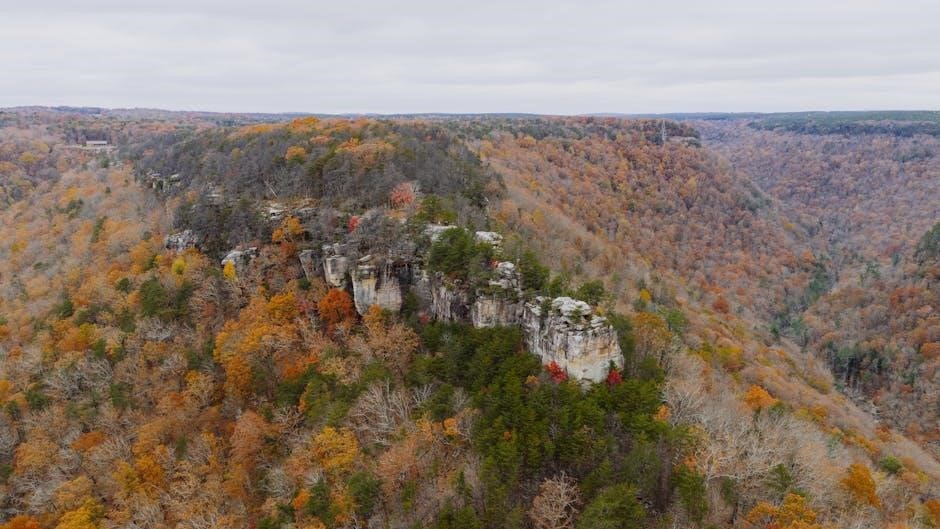
The Red River Gorge is famed for its diverse climbing areas, catering to all skill levels. Miguel’s Pizza is a long-standing favorite, offering a concentration of sport routes. Fat Man’s Misery presents a more secluded, challenging experience with overhanging climbs. Military Wall boasts a variety of routes, from moderate slabs to steep overhangs.
Paradise Wall is another popular destination, known for its aesthetic lines and well-protected routes. These areas, alongside numerous others, contribute to the Gorge’s reputation as a premier climbing destination. Exploration reveals hidden gems, ensuring a lifetime of climbing adventures.
Miguel’s Pizza
Miguel’s Pizza is arguably the most iconic and heavily developed climbing area within the Red River Gorge. This area offers a massive concentration of sport routes, making it ideal for climbers of varying abilities. Expect a bustling atmosphere, particularly during peak season, as it’s a consistently popular choice.
The routes at Miguel’s are generally well-bolted and feature a diverse range of difficulties. From beginner-friendly climbs to challenging projects, there’s something for everyone. Be prepared for potential crowds and consider visiting during weekdays for a more relaxed experience. It’s a must-visit for any RRG climber!
Fat Man’s Misery
Fat Man’s Misery is a uniquely challenging and rewarding climbing area known for its steep, overhanging cliffs and powerful moves. This area caters primarily to intermediate to advanced climbers seeking a physical test. The routes demand strength, technique, and endurance, offering a thrilling experience for those up to the challenge.
Expect sustained climbing on pockets and crimps, requiring precise footwork and body positioning. While not as densely populated as Miguel’s, Fat Man’s Misery still attracts a dedicated following. It’s a fantastic location to push your limits and experience the raw power of Red River Gorge climbing.
Military Wall
Military Wall stands as a prominent and historically significant climbing area within the Red River Gorge, boasting a diverse range of routes. It’s a popular destination, often bustling with climbers of varying skill levels, from beginners to seasoned veterans. The wall’s relatively moderate angles and well-protected lines make it ideal for those developing their skills.
However, Military Wall also features challenging overhanging sections that will test experienced climbers. Expect a mix of sport climbs, with a focus on technical face climbing and crack systems. Its accessibility and variety contribute to its enduring appeal within the Gorge’s climbing community.
Paradise Wall
Paradise Wall is celebrated for its aesthetic beauty and concentration of high-quality, challenging sport climbs. This area attracts climbers seeking steep, powerful routes with sustained movement. The wall’s namesake hints at the rewarding experience awaiting those who conquer its lines, though it demands considerable strength and technique.
Expect to encounter overhanging cliffs and intricate tufa formations, creating a visually stunning and physically demanding climbing environment. Paradise Wall is a favorite among experienced sport climbers, offering a testpiece selection of routes. Be prepared for a busy atmosphere, especially during peak season.
Climbing Grades & Difficulty
Understanding the grading system is crucial for a safe and enjoyable climbing experience at the Red River Gorge. The predominant system used is the Yosemite Decimal System (YDS), which combines a class rating with a difficulty number. However, the Red River Gorge is known for its uniquely “soft” grading, meaning routes often feel easier than their assigned YDS grade.
This phenomenon stems from the plentiful, positive holds and generally consistent rock quality. Climbers frequently find themselves flashing routes several grades above their usual limit. Be prepared to down-climb or adjust expectations accordingly, and always prioritize safety!
YDS (Yosemite Decimal System) Explained
The Yosemite Decimal System (YDS) is the standard for rating climbing difficulty in North America. It begins with Class 1, representing easy hiking, progressing to Class 5, which signifies technical rock climbing requiring ropes and protection. Class 5 is further subdivided into numerical grades, starting at 5.0 and currently extending beyond 5.15d – the most difficult climbs achieved.
A “+” or “-” indicates incremental difficulty within a grade (e.g., 5.10a, 5.10b, 5.10c). The first number denotes the overall difficulty, while letters (a-d) refine the assessment; Understanding this system allows climbers to choose routes appropriate for their skill level and experience, ensuring a safe and rewarding ascent.
Red River Gorge Specific Grading Nuances
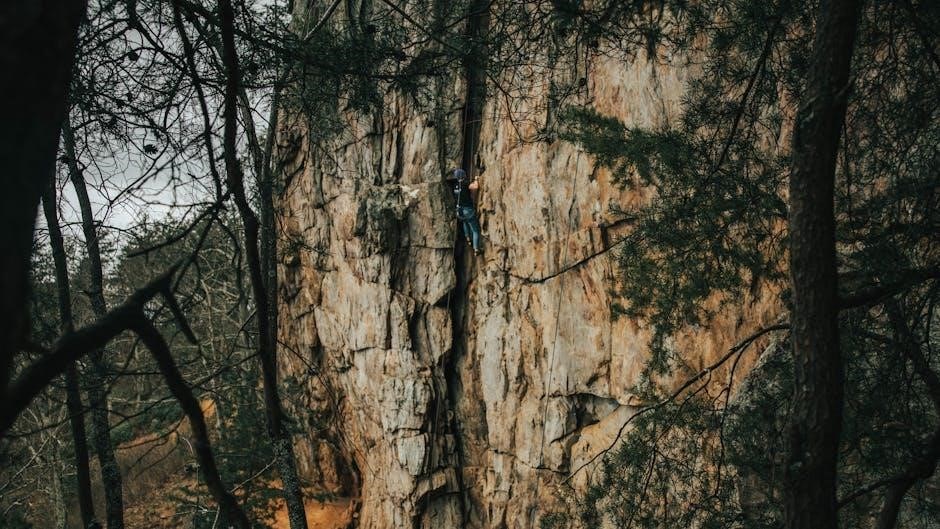
The Red River Gorge is known for its uniquely “soft” grading. Routes often feel easier than their YDS rating suggests, particularly for climbers accustomed to harder, more technical rock types. This is due to the Gorge’s sandstone, offering plentiful jugs and positive holds, reducing overall physical demand.
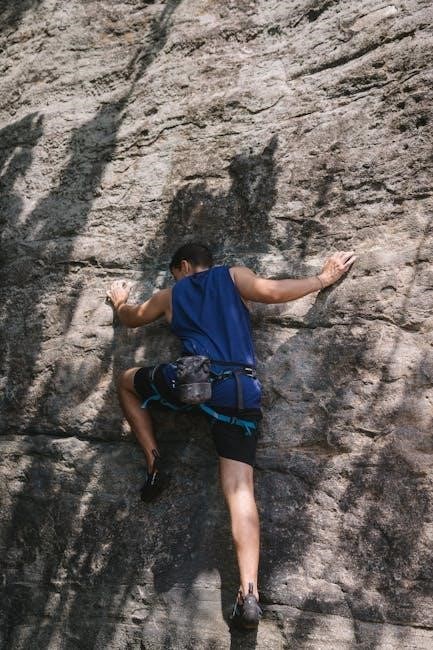
Consequently, a 5.10 at the Red might feel comparable to a 5.9 elsewhere. Climbers new to the area should down-climb expectations initially. Local consensus and route descriptions often acknowledge this tendency, advising climbers to approach grades with a degree of flexibility and enjoy the accessible style.
Climbing Styles at Red River Gorge
The Red River Gorge overwhelmingly favors sport climbing, boasting a vast concentration of bolted routes across its numerous cliffs. This accessibility makes it ideal for climbers of all levels, from beginners to seasoned veterans. However, trad climbing opportunities exist, though they are less prevalent and often require more adventurous route-finding.
Bouldering is also gaining popularity, with dedicated areas offering a diverse range of problems. The sandstone lends itself well to powerful moves and dynamic climbing. While sport routes dominate, the Gorge’s varied terrain ensures a fulfilling experience for climbers seeking different challenges.
Sport Climbing – The Predominant Style
Sport climbing reigns supreme in the Red River Gorge, characterized by permanently placed bolts protecting climbers during ascents. This style allows focus on movement and technique, rather than gear placement. The Gorge’s abundance of well-bolted routes caters to a wide spectrum of abilities, from introductory climbs to challenging projects.
The concentration of sport routes is exceptional, offering endless possibilities for multi-pitch adventures and single-pitch cragging. This accessibility has cemented the Red River Gorge’s reputation as a premier sport climbing destination, drawing enthusiasts from around the globe seeking quality and variety.
Trad Climbing Opportunities
While sport climbing dominates, the Red River Gorge also presents rewarding trad climbing experiences, though less prevalent. These routes demand a higher level of skill and experience, requiring climbers to place their own protection as they ascend. Cracks and dihedrals offer opportunities for utilizing cams, nuts, and other traditional gear.
Trad routes often provide a more secluded and adventurous feel, venturing away from the heavily trafficked sport climbing areas. Though requiring meticulous planning and execution, the sense of accomplishment derived from successfully navigating a trad climb in the Gorge is unparalleled, appealing to seasoned climbers seeking a challenge.
Bouldering Areas & Problems
The Red River Gorge boasts a burgeoning bouldering scene, offering a diverse range of problems across various areas. From the easily accessible to the more remote, boulderers of all levels will find challenges. Areas like The Landslide and Roadside boulders are popular starting points, featuring problems ranging from beginner-friendly to incredibly difficult.
The sandstone provides excellent friction, making for enjoyable and engaging climbs. New problems are continually being developed and documented, ensuring a dynamic and evolving bouldering experience. Expect to encounter overhanging lines, technical face climbs, and powerful moves, all set against the backdrop of the Gorge’s stunning scenery.
Essential Climbing Gear
A successful and safe climbing experience at the Red River Gorge requires appropriate gear. Ropes should be dynamic and of sufficient length for the routes you intend to climb. Quickdraws are essential for clipping into bolts on sport routes, and a sufficient quantity is crucial. A well-fitting harness and a reliable belay device are non-negotiable for both climber and belayer.
Helmets are strongly recommended to protect against falling rock, and comfortable, well-broken-in climbing shoes will significantly improve your performance. Don’t forget essential accessories like chalk, a brush for cleaning holds, and a first-aid kit for minor injuries.
Ropes & Quickdraws
Selecting the right rope is paramount for Red River Gorge climbing. Dynamic ropes, typically 60m or 70m in length, are standard, accommodating the Gorge’s often lengthy routes. Consider a single rope for most climbs, though a twin or half rope setup offers redundancy. Quickdraws are equally vital; bring a substantial rack – at least 12-15 per climber – as routes frequently require numerous clips.
Ensure quickdraws are in good condition, with functioning gates. Lightweight quickdraws reduce weight, while durable options withstand frequent use. Regularly inspect both ropes and quickdraws for wear and tear before and after each climb to maintain safety.
Harnesses & Belay Devices
A comfortable and properly fitted harness is essential for long days at the Red River Gorge. Look for adjustable leg loops and a padded waistbelt for optimal support. Full-body harnesses are recommended for beginners or those seeking extra security. Belay devices are crucial for safe rope management; options include assisted-braking devices and traditional tube-style devices.
Familiarize yourself thoroughly with your chosen device’s operation before climbing. Always use a locking carabiner with your belay device. Regularly inspect your harness and belay device for any signs of wear or damage, prioritizing safety above all else during your climbing adventures.
Helmets & Climbing Shoes
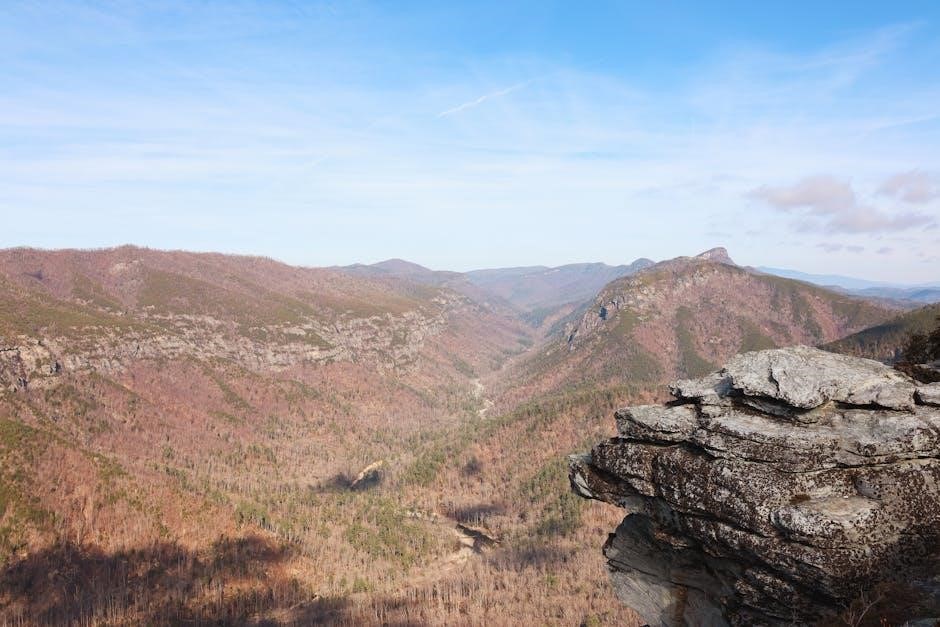
Protecting your head is paramount; a climbing helmet is non-negotiable at the Red River Gorge. Rockfall is a constant hazard, even on popular routes. Choose a helmet that fits snugly and covers your forehead adequately. Climbing shoes are equally vital, providing the friction needed on the sandstone.
Aggressive downturned shoes excel on the Gorge’s steep, overhanging climbs, while more moderate shoes are suitable for vertical terrain. Ensure a snug, but not painful, fit. Break in new shoes before tackling challenging routes. Regularly inspect shoes for delamination and replace them when worn to maintain optimal performance and safety.
Red River Gorge Climbers Coalition (RRGCC)
The Red River Gorge Climbers Coalition (RRGCC) is a vital organization dedicated to preserving access and promoting responsible climbing within the Gorge. Their recent acquisition of 718 acres of the Ashland Wildlife Management Area signifies a major win for climbers, promising expanded opportunities.
The RRGCC actively engages in trail maintenance, volunteer projects, and land acquisition initiatives. Supporting their efforts through membership or donations directly contributes to the long-term sustainability of this iconic climbing area. They work tirelessly to balance recreation with conservation, ensuring future generations can enjoy the Gorge’s unique beauty.
RRGCC Access & Conservation Efforts
The RRGCC’s core mission revolves around securing and maintaining climbing access within the Red River Gorge. This involves proactive land acquisition, like the recent purchase of 718 acres of the Ashland Wildlife Management Area, directly expanding climbing terrain.
Conservation is equally paramount; the RRGCC implements strategies to minimize climbing’s impact on the fragile ecosystem. They collaborate with land managers and advocate for responsible recreation, ensuring the Gorge’s natural beauty endures. These efforts are crucial for preserving this internationally recognized climbing destination for years to come.
Trail Maintenance & Volunteer Opportunities
Following significant land acquisitions, the Red River Gorge Climbers Coalition (RRGCC) faces substantial trail work. Preparing the newly acquired 718 acres of Ashland Wildlife Management Area for climbing access requires dedicated effort. This includes establishing sustainable trail systems, mitigating erosion, and ensuring safe passage for climbers.
The RRGCC actively seeks volunteer support for these crucial projects. Opportunities range from trail building and maintenance to litter removal and invasive species control. Participating volunteers directly contribute to preserving the Gorge’s accessibility and natural integrity, fostering a strong climbing community.
Land Acquisition & Future Projects
The Red River Gorge Climbers Coalition (RRGCC) recently completed the purchase of 718 acres within the Ashland Wildlife Management Area. This significant acquisition represents a major victory for climber access and long-term conservation within the Gorge. It secures crucial climbing areas and prevents potential development restrictions.
Future projects focus on responsible development of these new lands. The RRGCC plans to create sustainable trail systems, manage environmental impact, and enhance the overall climbing experience. Further land acquisition remains a priority, alongside continued advocacy for climber access and preservation of this unique natural resource.
Safety Considerations & Ethics
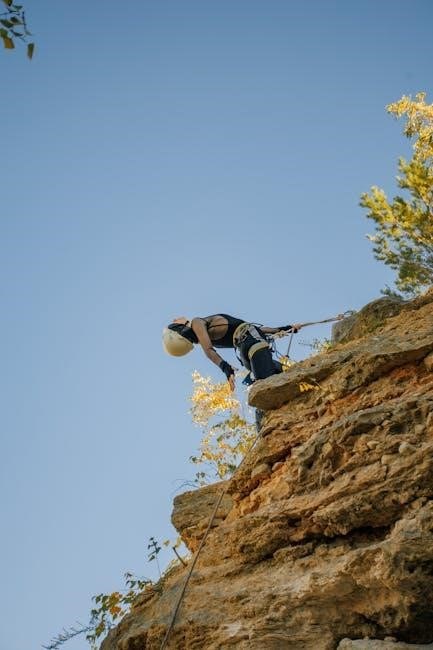
Climbing in the Red River Gorge demands a strong commitment to safety and ethical conduct. Proper fall protection techniques, including reliable anchor building and gear checks, are paramount. Climbers must possess the knowledge and skills to assess risks and mitigate potential hazards inherent in the environment.
Adhering to Leave No Trace principles is crucial for preserving the Gorge’s natural beauty. Pack out all trash, minimize impact on vegetation, and respect wildlife. Familiarize yourself with local regulations regarding permits and access, ensuring responsible and sustainable climbing practices for future generations.
Fall Protection & Anchor Building
Robust fall protection is non-negotiable in the Red River Gorge. Climbers must meticulously inspect all gear – ropes, quickdraws, harnesses – before each ascent. Understanding proper belay techniques and communication protocols is essential for a safe climb. Anchor building requires expertise; utilizing multiple points and redundancy is vital, given the sandstone’s potential for flakey holds.
Regularly assess anchor integrity and avoid placing protection in compromised rock. Backing up key pieces and employing equalization techniques distribute load effectively. Prioritize self-rescue skills and carry appropriate equipment for managing potential incidents. A proactive safety mindset is paramount for enjoying the Gorge responsibly.
Leave No Trace Principles
Preserving the Red River Gorge’s natural beauty demands strict adherence to Leave No Trace principles. Pack out everything you pack in, including all trash, food scraps, and even biodegradable waste. Minimize campfire impacts by using established fire rings or stoves. Respect wildlife, observing from a distance and never feeding animals.
Stay on designated trails to prevent erosion and vegetation damage. Properly dispose of human waste by using established restrooms or digging catholes far from water sources. Avoid disturbing cultural or historical sites. By collectively embracing these principles, climbers can ensure the Gorge remains pristine for future generations to enjoy.
Local Regulations & Permits
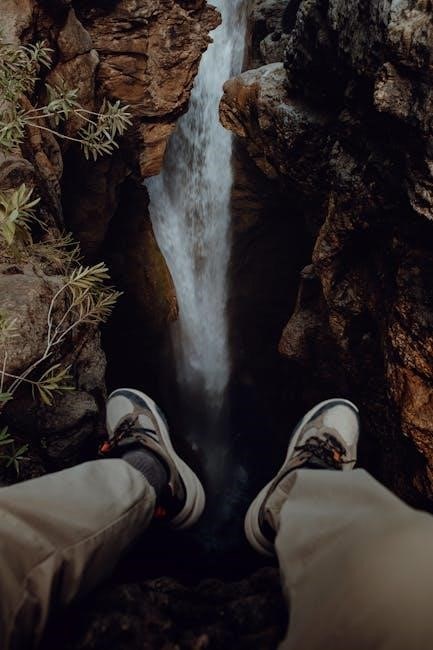
Climbing within the Red River Gorge is subject to specific regulations designed to protect the area’s delicate ecosystem. While generally free to climb, dispersed camping requires adherence to Forest Service guidelines, including limitations on stay duration and group size. Certain areas may have seasonal closures to protect nesting birds or sensitive vegetation.
It’s crucial to stay informed about current restrictions and potential permit requirements. The Red River Gorge Climbers Coalition (RRGCC) provides updated information on access issues and regulations. Respecting these rules ensures continued access and helps preserve the Gorge’s unique natural environment for all climbers and visitors.
Accommodation & Logistics
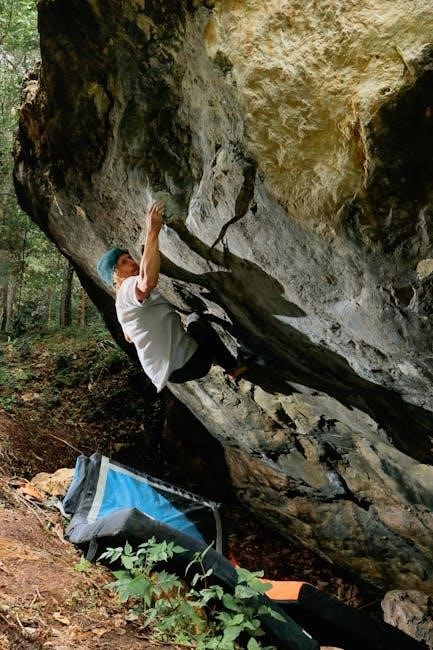
Planning your trip to the Red River Gorge requires considering accommodation and transportation options. Camping is popular, with several established campgrounds within the Gorge, offering varying levels of amenities. Dispersed camping is also permitted with adherence to Forest Service regulations.
Nearby towns like Stanton and Campton provide lodging alternatives, including hotels, cabins, and vacation rentals. Accessing climbing areas often involves navigating winding two-lane roads, so a reliable vehicle is recommended. Consider carpooling to alleviate parking congestion at popular trailheads, especially during peak season.
Camping Options within the Gorge
The Red River Gorge offers diverse camping experiences, catering to various preferences. Developed campgrounds like Natural Bridge State Resort Park and Koomer Ridge Campground provide amenities such as restrooms, water sources, and picnic tables, requiring reservations, particularly during peak seasons.
For a more secluded experience, dispersed camping is permitted throughout much of the Daniel Boone National Forest, adhering to Leave No Trace principles. Climbers frequently utilize smaller, informal campsites near climbing areas, but responsible practices are crucial. Be aware of potential crowding, especially when fall colors attract visitors, and plan accordingly.
Nearby Towns & Lodging
Several charming towns surround the Red River Gorge, offering a range of lodging options beyond camping. Slade, Kentucky, is the closest, providing basic amenities and a few lodging establishments. Campton and Stanton offer more extensive choices, including motels, cabins, and bed-and-breakfasts.
For those seeking greater comfort, Lexington, Kentucky, is approximately an hour’s drive away, boasting a wide array of hotels, restaurants, and entertainment venues. These towns serve as convenient bases for climbers, providing access to supplies, dining, and alternative accommodation if the Gorge’s campsites are full, especially during peak visitation.
Transportation & Access to Climbing Areas
Accessing the Red River Gorge’s climbing areas primarily involves personal vehicles. The winding two-lane roads require cautious driving, particularly during peak seasons when traffic increases significantly. Parking at trailheads can be limited, necessitating early arrival or potential overflow parking arrangements.
Public transportation options are scarce, making a car essential for most climbers. Shuttle services are not commonly available. Once parked, access to crags often requires short hikes along well-maintained trails. Be prepared for varying trail conditions and potential congestion, especially on weekends and holidays.
Resources & Guidebooks
For comprehensive planning, several resources cater to Red River Gorge climbers. Mountain Project stands out as an invaluable online database, offering detailed route information, user comments, and topographical maps. This digital platform is constantly updated with current conditions and beta.
Printed guidebooks remain popular, providing curated selections of climbs and detailed approach descriptions. Local climbing shops also offer maps and can provide up-to-date information on conditions and access. Furthermore, these shops often provide valuable services, including gear rentals and expert advice, enhancing your climbing experience.
Online Climbing Databases (Mountain Project)
Mountain Project is an essential resource for Red River Gorge climbers, functioning as a dynamic and collaborative online database. It provides detailed route information, including difficulty ratings, pitch lengths, and gear requirements, all contributed by the climbing community.
Users benefit from up-to-date conditions reports, recent ticklists, and detailed approach beta, often including GPS coordinates and photos. The platform’s interactive maps allow for easy route location and planning. Mountain Project fosters a sense of community, enabling climbers to share knowledge and experiences, making it invaluable for both seasoned veterans and newcomers to the Gorge.
Printed Guidebooks & Maps
While digital resources are plentiful, printed guidebooks and maps remain crucial for Red River Gorge climbing. They offer a curated and reliable source of information, particularly useful where cell service is limited within the Gorge’s remote areas.
Comprehensive guidebooks detail climbing areas, route descriptions, topo diagrams, and historical context. Detailed maps provide essential navigational assistance, showcasing trail networks, parking locations, and geological features. These resources complement online databases, offering a tangible and dependable backup for trip planning and on-site route finding, enhancing the overall climbing experience.
Local Climbing Shops & Services
Supporting local businesses is vital when visiting the Red River Gorge. Several climbing shops near the Gorge provide essential gear, expert advice, and valuable local knowledge. These establishments offer a wide selection of ropes, quickdraws, harnesses, shoes, and other climbing necessities.
Beyond retail, many shops provide guiding services, instruction, and gear repair. Experienced guides can enhance safety and enjoyment, especially for those unfamiliar with the area or climbing styles. Utilizing these local services contributes to the Gorge’s economy and ensures a well-equipped and informed climbing adventure.